
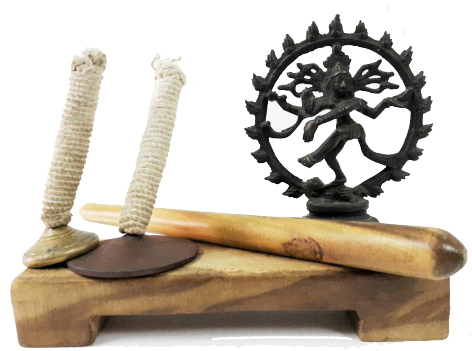
నృత్యానికి లయే ప్రాణం
కూచిపూడి నట్టువాంగం
తాళం • లయం • జతి • నృత్య సమన్వయం
నట్టువాంగం అనేది శాస్త్రీయ నృత్యంలో తాళాన్ని నిర్వహిస్తూ, జతులను పలుకుతూ, తాళ వాద్య సహకారంతో నర్తకికి మార్గనిర్దేశం చేసే కళ. కూచిపూడి నృత్యంలో అడుగులు, జతులు, లయ, సంగీతం సమన్వయంతో సాగడానికి నట్టువాంగం కీలకమైన పాత్ర పోషిస్తుంది.
రుద్ర కళాక్షేత్రంలో ప్రాథమిక లయజ్ఞానం నుంచి నృత్యానికి నట్టువాంగం చేయడం, జతుల నిర్మాణం వరకు క్రమబద్ధంగా నేర్చుకునే అవకాశాన్ని అందిస్తున్నాం.
కూచిపూడి నాట్యంలో నట్టువాంగం ప్రాధాన్యత
నట్టువాంగం నృత్యంలోని అడుగులకు కాలాన్ని, జతులకు లయను, నర్తకికి క్రమశిక్షణను అందిస్తుంది. తాళజ్ఞానం, స్పష్టమైన ఉచ్చారణ, సమయపాలన, నృత్యంతో సమన్వయం నట్టువాంగంలో ముఖ్యమైన అంశాలు. నృత్యాన్ని ప్రదర్శించే కళాకారుడికే కాకుండా, నృత్యాన్ని బోధించే గురువుకు కూడా నట్టువాంగంపై అవగాహన ఎంతో అవసరం.
మన నట్టువాంగం కోర్సులు
రెండు స్థాయిల్లో క్రమబద్ధమైన అభ్యాసం
ప్రాథమిక స్థాయి · BASIC
Certificate Course in Kuchipudi Nattuvangam
ఈ కోర్సు నట్టువాంగానికి అవసరమైన ప్రాథమిక తాళ, లయ పరిజ్ఞానాన్ని అభివృద్ధి చేసుకోవాలనుకునే విద్యార్థులు, నృత్య ఉపాధ్యాయుల కోసం రూపొందించబడింది
నేర్చుకునే అంశాలు
- జాతి, లయ, తాళం
- సప్త తాళాలు, 35 తాళాల పట్టిక
- తాళం, కాలం, లయ వినియోగం
- కూచిపూడి అడుగులకు నట్టువాంగం
- జతులకు, ఐదు జాతుల జతులకు నట్టువాంగం
- కూచిపూడి సర్టిఫికేట్ కోర్సులోని అంశాలకు నట్టువాంగం
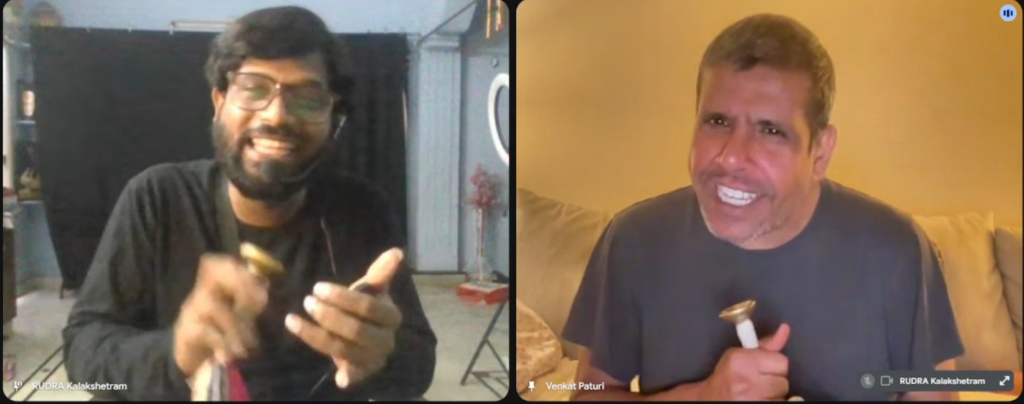
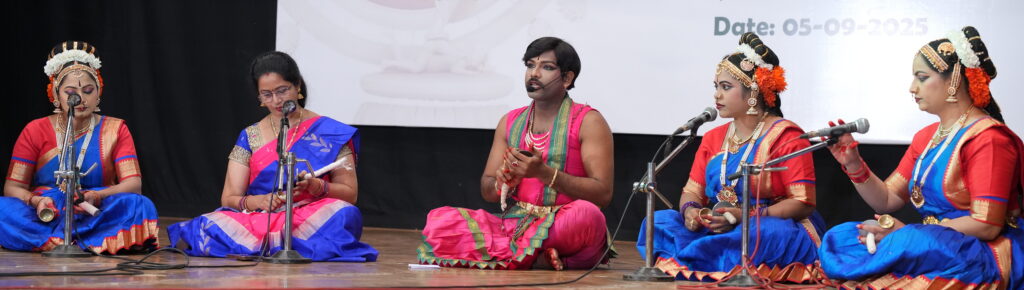
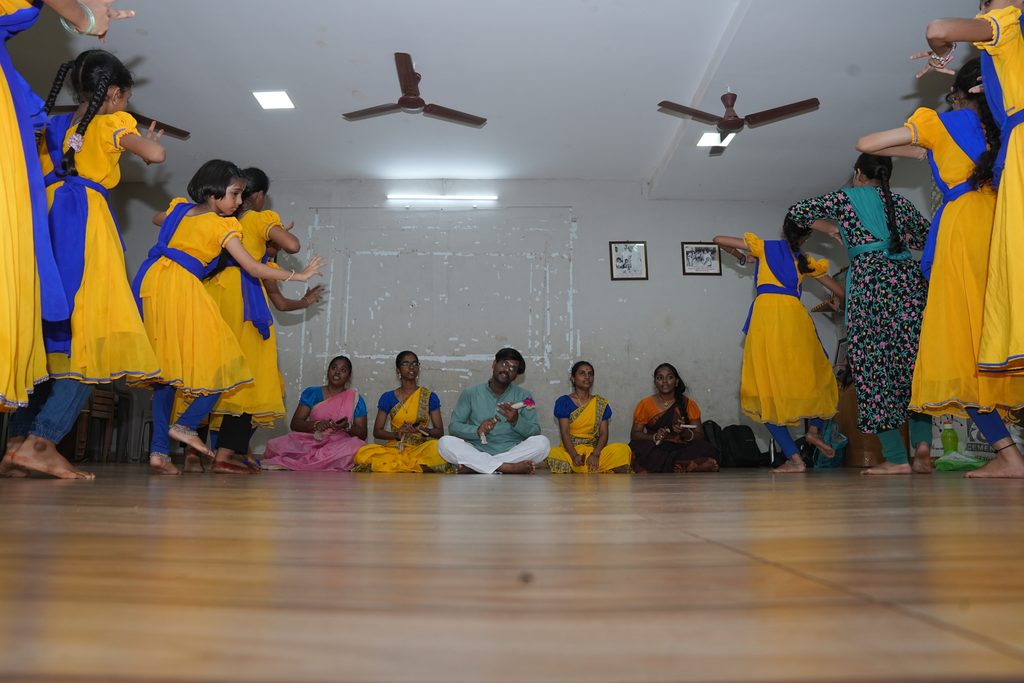
బోధన: నాట్యవిశారద మాచిరాజు రాజేష్ గారు
ఉన్నత స్థాయి · ADVANCED
Advanced Diploma in Kuchipudi Nattuvangam
ప్రాథమిక అంశాలపై పట్టు సాధించినవారు నట్టువాంగాన్ని మరింత లోతుగా అధ్యయనం చేయడానికి ఈ ఉన్నత కోర్సు రూపొందించబడుతుంది.
నేర్చుకునే అంశాలు
- సప్తతాళాల్లో జతుల నిర్మాణం
- తాళదశప్రాణాల అధ్యయనం
- సంక్లిష్టమైన జతుల నిర్మాణం, లయ వినియోగం
- కూచిపూడి నృత్యానికి అనుగుణంగా నట్టువాంగం అభ్యాసం
బోధన: మహాగురు డా. వేదాంతం రామలింగేశ్వరశాస్త్రి గారు
ఆన్లైన్ నట్టువాంగం శిక్షణ
ఆన్లైన్ గ్రూప్ క్లాసుల ద్వారా విద్యార్థులు క్రమబద్ధంగా నట్టువాంగాన్ని అభ్యసించవచ్చు. తాళజ్ఞానం, జతుల పలుకుబడి, లయాభ్యాసం, నృత్యానికి అనుగుణంగా నట్టువాంగం చేసే విధానంపై దశలవారీగా శిక్షణ అందించబడుతుంది.
పరీక్షలు & సర్టిఫికేషన్
ఈ కోర్సులకు సంబంధించిన పరీక్షలు అఖిల భారత కళా సాధనా పరిషత్ (ABKSP) ద్వారా నిర్వహించబడతాయి. నిర్దేశిత పరీక్షా విధానాన్ని పూర్తి చేసిన విద్యార్థులకు బోర్డు నిబంధనల ప్రకారం సర్టిఫికేషన్ అందించబడుతుంది.
నట్టువాంగం నేర్చుకోవడానికి సిద్ధంగా ఉన్నారా?
కోర్సుల స్థాయులు, శిక్షణ విధానం, ప్రవేశ వివరాల కోసం మమ్మల్ని సంప్రదించండి.
NATTUVANGAM — FAQ
Who can join Nattuvangam training?
The programme is suitable for Kuchipudi dancers, experienced learners, aspiring teachers and learners who want to develop a deeper understanding of rhythm and Nattuvangam.
Do I need previous Nattuvangam experience?
Previous experience may be helpful for advanced learning, but the appropriate learning pathway can be discussed based on your existing knowledge and experience.
Is Nattuvangam useful for Kuchipudi dancers?
Yes. Nattuvangam can help dancers develop stronger rhythmic awareness and a deeper understanding of tala, jathi and rhythmic coordination.
Is this programme useful for dance teachers?
Yes. The programme can support teachers who want to strengthen their rhythmic knowledge, sollukattu practice and ability to guide students during dance training.
Can I learn Nattuvangam online?
Rudra offers online learning opportunities for Nattuvangam. Training arrangements can be discussed based on the learner’s requirements and level.
How do I enquire about Nattuvangam training?
Contact Rudra through WhatsApp or the enquiry form. We will understand your learning requirements and guide you regarding the appropriate programme.
BEGIN YOUR RHYTHMIC JOURNEY
Ready to Learn Nattuvangam?
Develop your understanding of rhythm, tala and rhythmic recitation with structured guidance from Rudra.